Meet the employee!
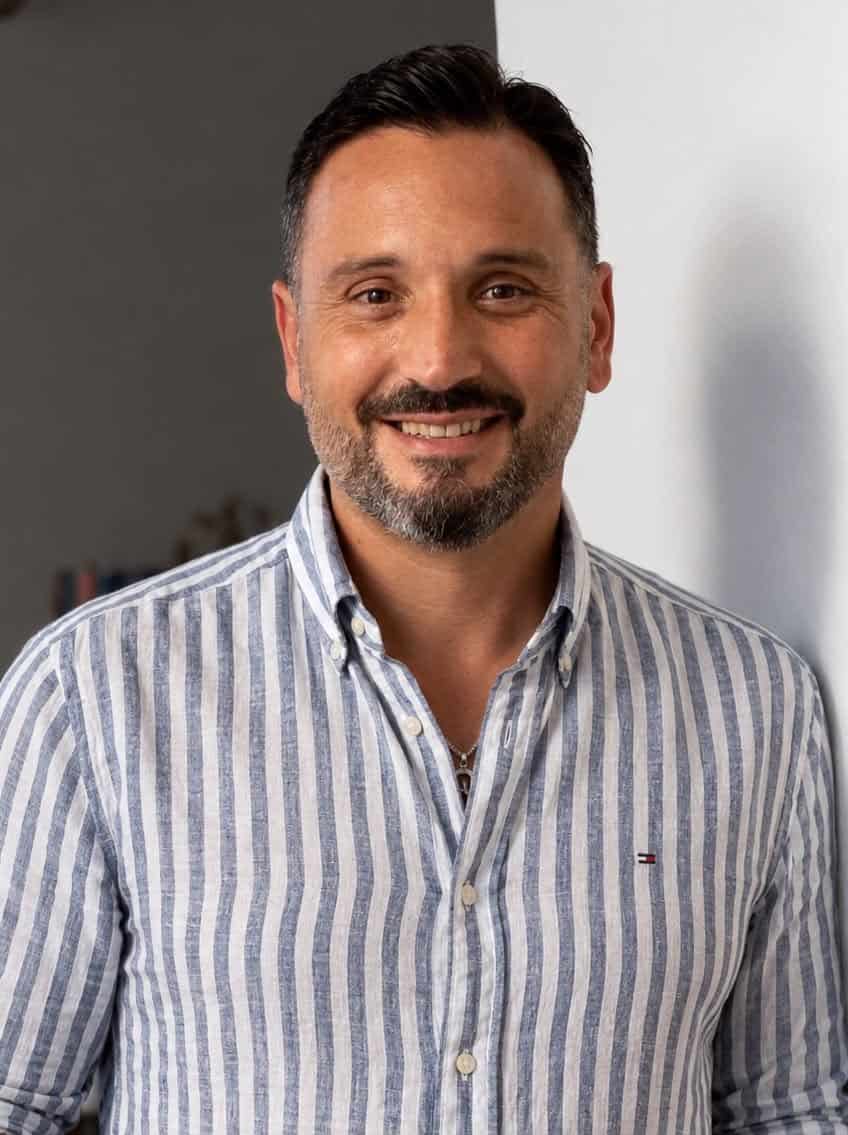
Q: Could you tell us about the Genoa office and its role in Trident BMC’s cruise ship newbuilding projects?
A: The Genoa office serves as Trident BMC’s Italian operational hub for cruise ship newbuilding projects. It acts as a key link between shipyards, clients, suppliers, and our production facilities. Its role is to support business development, tendering, project management, engineering coordination, procurement, and project execution, with a focus on ensuring that each project meets the required standards for quality, cost, and delivery. Our main goals are to strengthen our presence in the cruise newbuilding market, develop strategic relationships with shipyards and key industry partners, secure new contracts, and build a strong, technically skilled local team. Ultimately, I aim to establish Genoa as a reliable and competitive partner for major cruise shipbuilding projects, contributing to Trident BMC’s long-term growth and profitability.
Q: What does your team’s involvement in projects typically look like, from initial planning through to final delivery?
A: Our team is involved throughout the entire project lifecycle, starting from the initial tendering and technical assessment to engineering coordination, procurement, production planning, installation, and final handover. We work closely with the client, shipyard, suppliers, and our production facilities. This enables us to ensure that scope, budget, schedule, quality, and safety requirements are consistently met. Our focus is on proactive project management, effective coordination between all stakeholders, and rapid problem-solving. This, in turn, helps minimize risks, control costs, and ensure on-time delivery in line with the shipyard’s requirements and the cruise industry’s high standards.
Q: Cruise ship interiors need to meet high standards of design, functionality, and quality. What are the biggest challenges involved in delivering interior outfitting on newbuild projects?
A: The biggest challenges are balancing design expectations, technical requirements, budget, and tight shipyard schedules. Cruise ship newbuild projects involve complex coordination between multiple trades and suppliers, strict safety and fire regulations, and continuous interface management to ensure that all components fit and function as intended. The key is to identify risks early. This is done by maintaining strong communication across all stakeholders. We ensure consistent quality control and manage procurement and installation efficiently. Ultimately, success means delivering interiors that meet the shipowner’s vision, technical standards, and deadlines without compromising quality or cost efficiency.
Q: Can you share an example of a project or challenge that stands out in your experience and explain what made it particularly interesting?
A: One of the most challenging experiences in my career was managing major cruise ship refit projects as a Senior Hotel Superintendent representing the shipowner. A continuous focus on tight dry-dock schedules, complex technical interfaces, and the need to minimize vessel downtime required constant coordination and rapid decision-making. What made these projects particularly interesting was the need to balance operational priorities, design expectations, quality, and cost under significant time pressure. This experience strengthened my ability to anticipate risks, coordinate multidisciplinary teams, and deliver results in demanding environments—skills that I now apply to cruise ship newbuilding projects at Trident BMC.
Q: What changes in cruise ship design, technology, or passenger expectations do you think will have the greatest impact on newbuilding projects in the coming years?
A: I believe the greatest impact will come from the combination of sustainability, digitalization, and evolving passenger expectations. Shipowners are increasingly looking for energy-efficient materials, lightweight interior solutions, durable and recyclable finishes, along with designs that reduce maintenance and lifecycle costs. At the same time, passengers expect more personalized experiences. They look for flexible spaces, contemporary design, and seamless digital integration. For newbuilding projects, these trends will require closer collaboration between designers, shipyards, suppliers, and contractors, leading to greater emphasis on early engineering coordination, modular construction, and efficient installation. The key challenge will be translating these expectations into practical, cost-effective solutions without compromise. Factors such as design quality, safety, and delivery schedules will still be at the forefront of newbuilding. I believe companies that combine technical innovation with reliable project execution will have a significant competitive advantage.
Q: Could you tell us a little about your career path and what you find most rewarding about working in the cruise industry?
A: My career in the cruise industry has been built on a combination of hands-on experience, progressive leadership, and continuous professional development. I started my career as a carpenter, working on both newbuilding and refit projects. I spent nine years progressing within the same company from Carpenter to Supervisor. From there, I became Site Manager and ultimately Project Manager. This journey gave me a solid technical foundation and a thorough understanding of project execution, site operations, team leadership, and delivery requirements.
I then moved onboard to cruise ships. I initially worked as a Hotel Maintenance Officer before taking on a fleet-wide traveling role. This role meant supporting multiple vessels and gaining valuable insight into shipboard operations and the importance of maintaining the highest standards while minimizing operational disruption. During the COVID-19 pandemic, I returned to a shore-based role as a Project Manager for a company specializing in interior outfitting. I also focused on resuming my studies and pursuing a degree in Engineering Management to strengthen my technical, managerial, and strategic abilities. I subsequently joined one of the world’s leading cruise companies as a Refurbishment Manager. I was later promoted to Senior Refurbishment Manager, with responsibility for increasingly complex projects and broader operational challenges.
Since 2025, I have been working with Trident BMC, focusing on cruise ship newbuilding and business development. This role has enabled me to combine my experience in construction, onboard operations, refurbishment, and project management. What makes my career particularly rewarding is that I have experienced the cruise industry from almost every perspective—from working hands-on on the shop floor to managing complex projects and developing business opportunities. This progression allows me to understand not only how projects should be planned and managed, but also the practical realities of delivering them successfully.
Q: Thank you for sharing your story with us. We’re glad to have you on the Trident BMC team!